Before you start: tools and setup
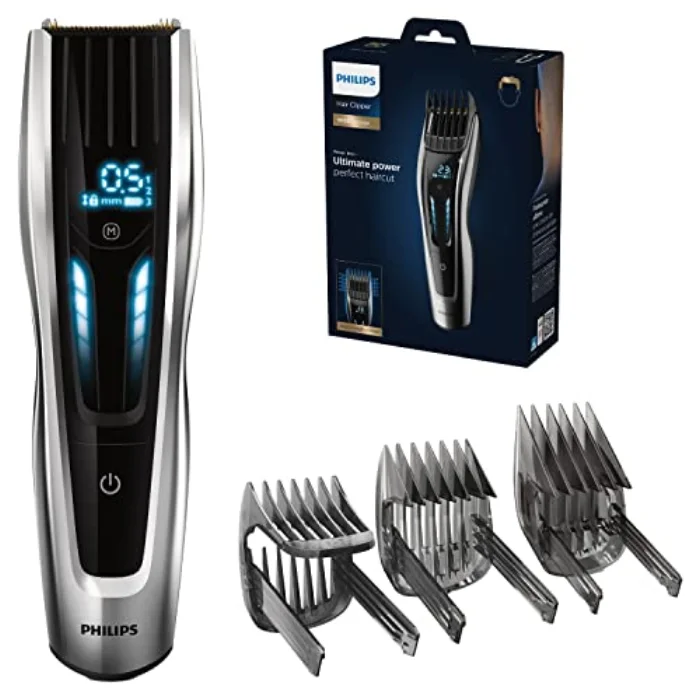
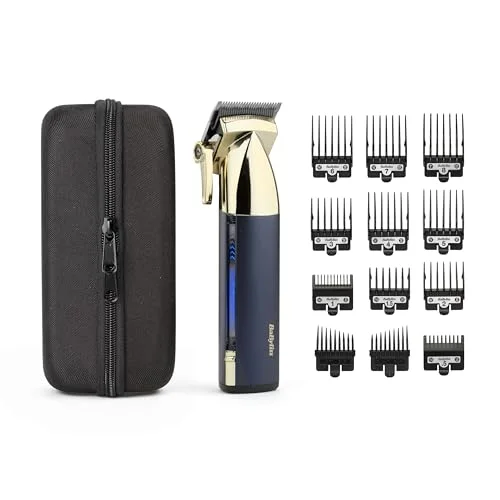
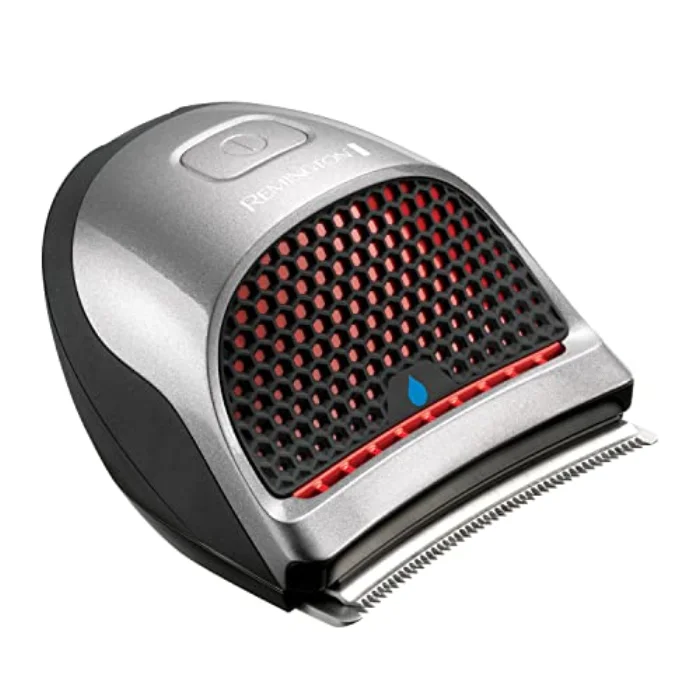
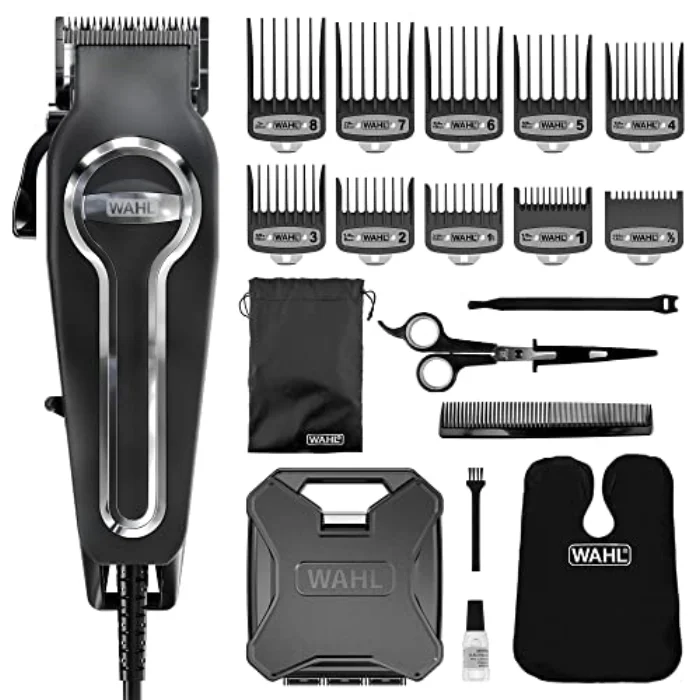
Set yourself up properly and the cut becomes far easier. You want a good clipper, ideally cordless so you can move and reach freely, a second mirror or your phone's camera to see the back, a wide-toothed comb, and somewhere easy to sweep up afterwards. Cut on dry, clean hair, because clippers are designed for dry cutting and wet hair clumps and misleads you on length. A cordless set such as the BaByliss Super-X Metal or the Philips Series 9000 makes self-cutting much simpler than wrestling with a cord, though even a budget Remington Pro Power will do the job.
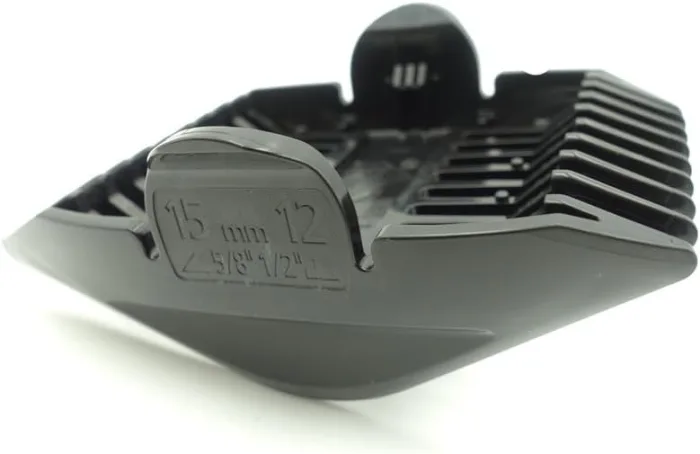
Decide on your lengths before you switch anything on. Pick the grade for the sides and the grade for the top, and remember the golden rule: start longer than you think you need. It is the single most important habit in home haircutting, because you can always take more off, but you cannot put it back. If in doubt, go up a grade. Our guide to clipper guards explained covers exactly which grade gives which length.
The step-by-step method
Work in a logical order and the cut stays even. Start with the sides and back using your chosen shorter guard, cutting against the direction the hair grows, in small, overlapping upward strokes from the bottom of the head towards the crown. Let the clipper glide rather than forcing it, and go over each area a couple of times to catch any stray hairs. Keep the strokes smooth and consistent so the length stays uniform all the way round.
Next, move to the top. Switch to your longer top guard and cut from front to back, again in steady strokes, keeping the clipper moving evenly. If you want a graduated look, blend the join where the shorter sides meet the longer top by switching to an in-between guard and flicking the clipper outwards along that line, softening the hard edge. Take your time over this transition, it is what makes the cut look natural rather than stepped. Finally, tidy the edges around the ears and neckline with the bare blade or a small trimmer for a clean finish.
Cutting the back of your own head
The back is the hardest part, and the trick is simply being able to see it. Set up a second mirror behind you and use the bathroom mirror to view it, or prop your phone on its front camera so you can watch the back as you work. Then cut in the same small upward strokes you used elsewhere, moving slowly and checking the mirror constantly. Work from the centre outwards so the length stays symmetrical. A cordless clipper is a real advantage here, because reaching round with a corded set and a trailing lead is genuinely awkward.
Common mistakes to avoid
A few errors account for most home-haircut disasters, and they are easy to avoid once you know them. Going too short too soon is the big one; always start longer. Rushing is the second; a careful cut takes longer than a barber's because you cannot see everything at once, so build in the time. Cutting wet hair misjudges the length, pressing too hard causes uneven lines and digs in, and skipping the blend leaves an obvious step between the sides and top. Go slowly, check often, and accept that your first couple of attempts are a learning exercise.