Motor and blade: the decisions that matter most
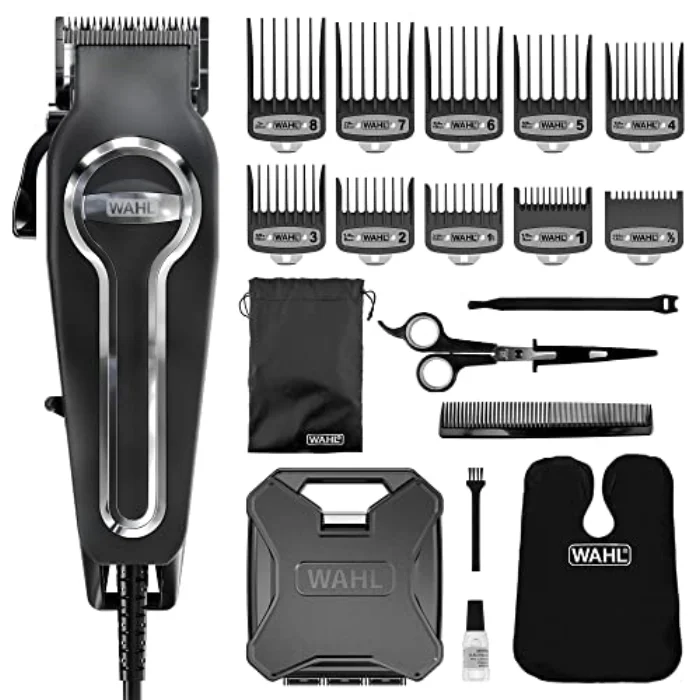
Everything good about a hair clipper starts with the motor and the blade. The motor determines whether the clipper powers cleanly through your hair or stalls, snags and pulls. Fine hair is forgiving; thick, coarse or curly hair is far more demanding, and a weak motor will tug instead of cut, leaving an uneven, uncomfortable result. If your hair is difficult, prioritise motor power above all else, which is why a strong corded clipper like the Wahl Elite Pro is the safe default for tricky hair.
The blade decides how clean the cut is and how long it stays that way. Self-sharpening steel blades hold their edge over months of use and keep cutting crisply; cheaper blades dull quickly and begin to drag, which both spoils the cut and pulls at the hair. When you compare clippers, treat motor and blade as non-negotiable and judge everything else afterwards. A clipper that cuts cleanly and reliably is worth more than one with twice the features and half the cutting power.
Corded or cordless: which suits you
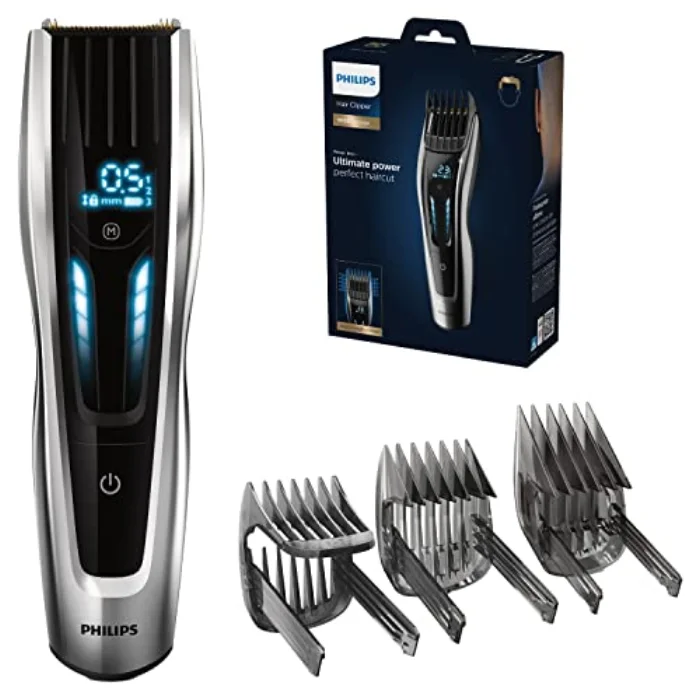
This is the choice most buyers wrestle with, and the right answer depends on what you cut. Corded clippers give constant, full power with no battery to fade, which makes them the dependable pick for thick hair and full haircuts. The catch is the lead, which you have to work around and which is genuinely awkward for cutting your own hair. Cordless clippers let you move freely and reach any angle, including the back of your own head, which is why they are easier for self-cuts. Modern cordless sets such as the Philips Series 9000 now hold strong power for well over an hour, so the old fear of fading cordless power is largely gone.
As a rule of thumb: cut someone else's thick hair, choose corded; cut your own hair or value freedom of movement, choose cordless and buy good battery life. Our dedicated guide to corded vs cordless clippers sets out the full trade-off and helps you decide.
Guards, grades and blending
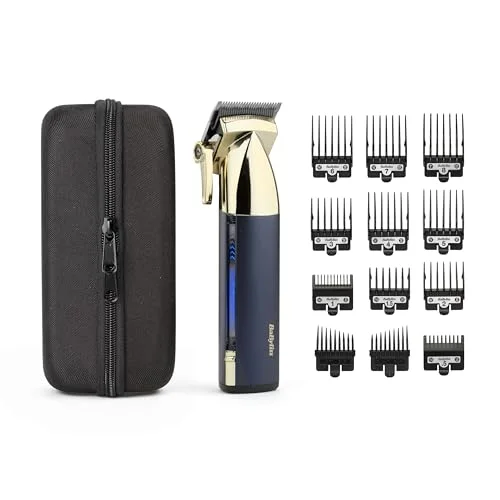
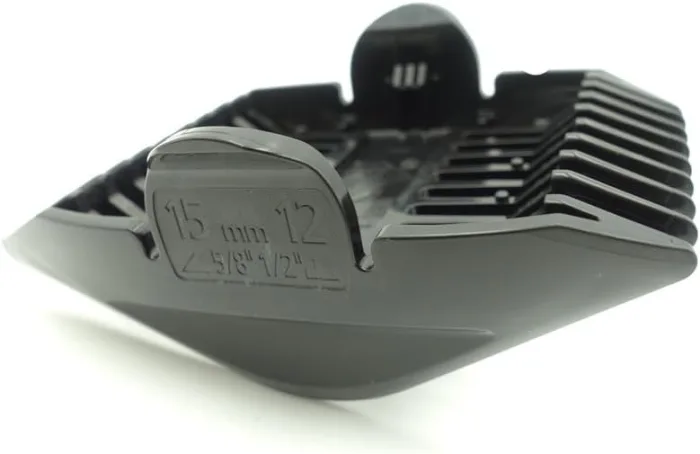
The guard combs set the length of the cut, and understanding the grades is the key to a good home haircut. The grades roughly double in length each step: a number 1 leaves about 3 mm, a number 2 about 6 mm, a number 3 about 9 mm, up to a number 8 at around 25 mm. For most haircuts you only use a handful of guards, but the more closely spaced the guards a clipper includes, the easier it is to blend smoothly between lengths, which matters enormously for fades. A generous, well-spaced guard set, as on the Wahl Elite Pro, gives the most flexibility. We explain every grade and how to blend in our guide to clipper guards explained.
Features worth paying for, and ones you can skip
A few features genuinely earn their keep. A good guard set that covers your lengths and blends easily is the most useful of all. Long battery life matters on a cordless clipper, because a unit that fades mid-cut is a real frustration; the BaByliss Super-X Metal shows how much stamina you can get at a fair price. A washable head, as on the Philips Series 9000, makes cleaning painless. And a taper lever, as on the Andis Master, transforms fading, but only matters if you do detail work.
Other things are nice-to-have rather than deciding factors. Brand prestige buys build quality and longevity, which is worth paying for if you cut often, but never a substitute for the right motor and blade. Charging stands and travel cases are pleasant extras that should not sway a decision. And a long list of attachments matters only if you will actually use them, so do not pay for combs and tools you will leave in the box.